Dispatches #3 How Does an Institution Emerge? Field Notes on Shaping Conditions Part II – Arrival
Melisa Sabancı Tapan, Founder, Gate 27
A note to the reader: as I continue these dispatches, I am not writing about conditions in any particular order. I am following the order in which experiences allow me to notice them. I develop this series of writings in collaboration with artificial intelligence. I begin by sharing my observations, thoughts, and experiences through conversations with AI. I then revisit, edit, and deepen the resulting text through my own perspective and lived experience. In this sense, these writings emerge from a collaborative process of reflection and writing, bringing together my personal experiences and the possibilities offered by AI.
In the first part of these field notes, I wrote about trust: what becomes possible when an institution spends years creating the conditions for people to entrust it with their work, their time, their reputation, and eventually, something of themselves.
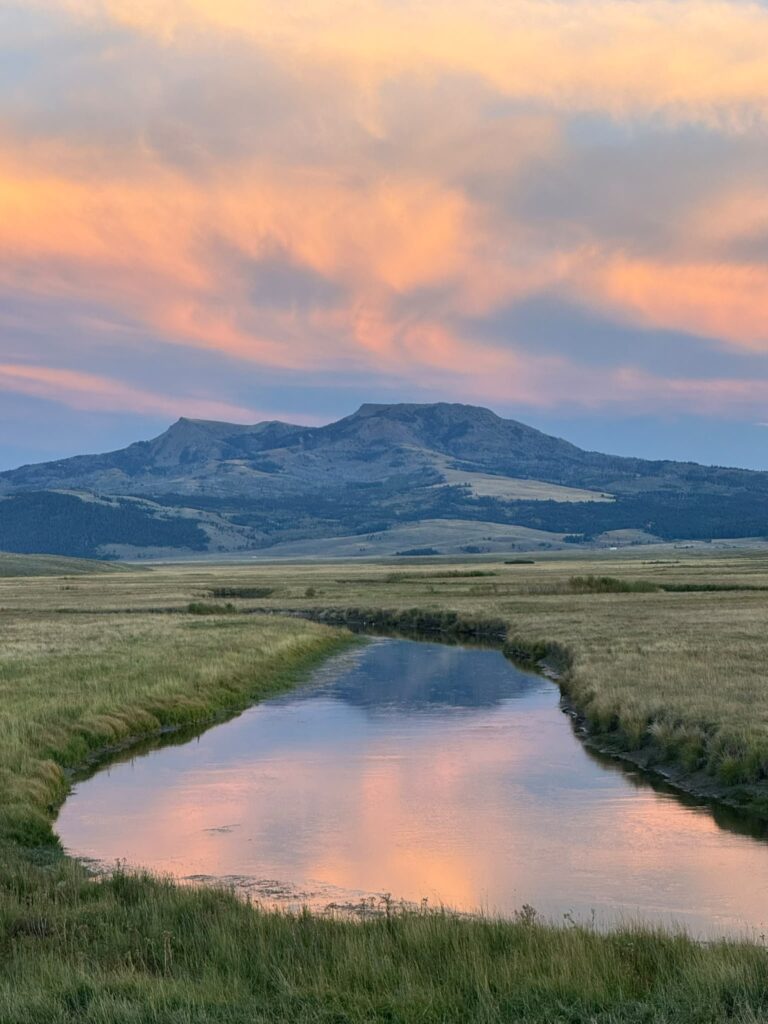
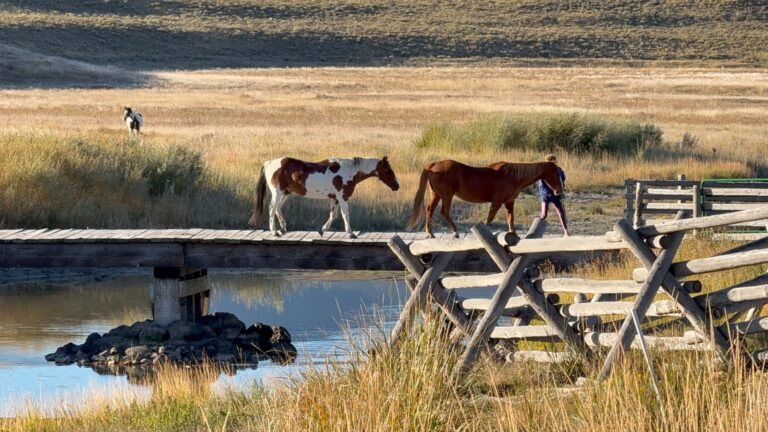
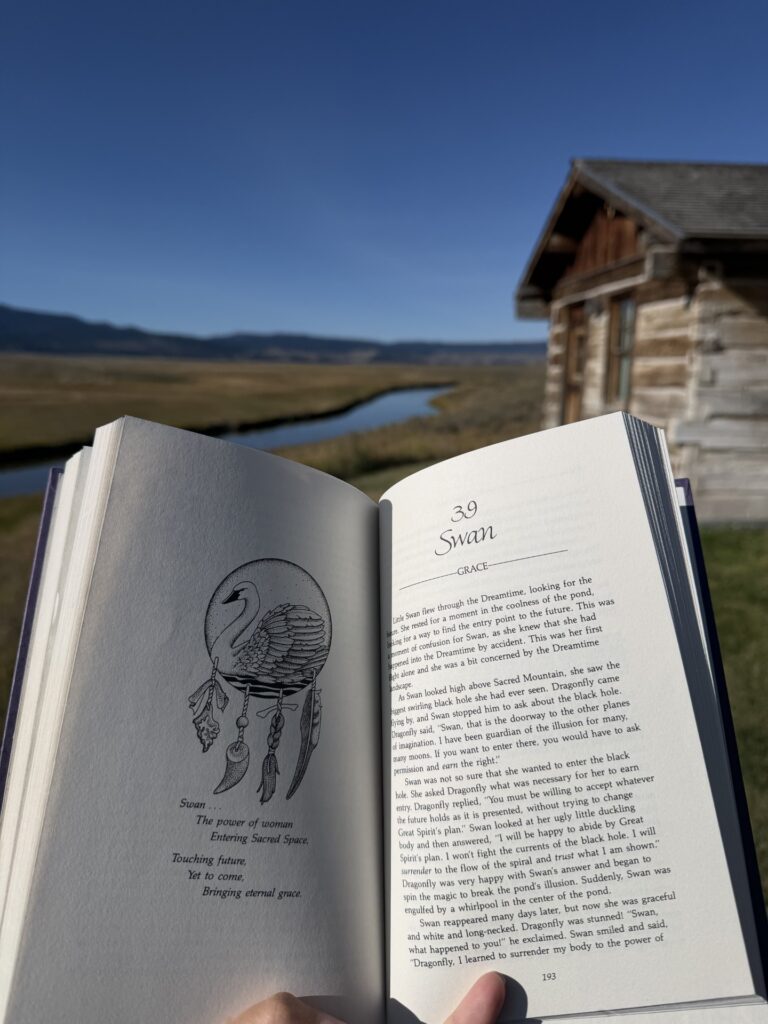
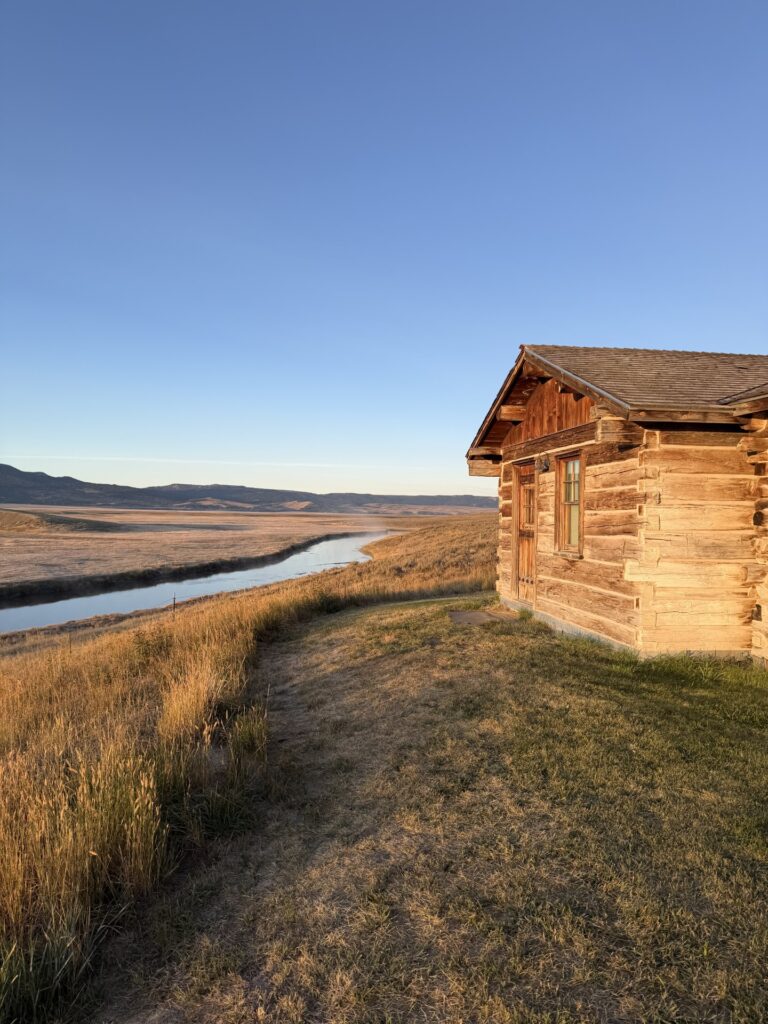
Since then, another question has been occupying me. If we are interested in creating conditions for emergence, does it matter how people arrive? I began thinking about this during my purpose-driven retreat in Montana.[1]
We can have a sense of what we hope they might hold space for: greater attention, deeper exchange, curiosity, trust, perhaps even transformation. And once there is such an intention, the conditions surrounding an experience can begin to orient themselves toward it.
This made me reconsider something I had previously thought of mostly as logistics: the arrival.
The journey begins before arrival
An experience does not begin when someone walks through the door. It begins with the invitation. The planning. The anticipation. The questions that arise beforehand. The care someone senses—or does not sense—in the smallest details. All of these begin shaping our relationship with a place before we physically encounter it. But in Montana, I noticed something else.
The difficulty of reaching a place can itself become part of the experience. Normally, accessibility is treated as an unquestioned virtue. We try to make journeys shorter, transitions smoother, destinations easier to reach. But what happens when the journey is allowed to take time?
With every hour travelled, I found myself becoming slightly more distant from the reality I had left behind. First came distance. Then time. And slowly, almost imperceptibly, the strength of the identity attached to the place I had come from began to loosen. The further I travelled, the less immediate that world became.
Far away, at the wrong time
Then there was another kind of distance: time itself. Being somewhere far away, in a time zone misaligned with home, introduced a strange friction. The rhythm of the world I normally inhabited continued without me, but I could no longer participate in it quite as easily.
Calls became harder. Messages arrived at inconvenient hours. The instinct to remain constantly connected began losing some of its power. At first, these may seem like inconveniences. But perhaps inconvenience can occasionally be a condition. Because distance in space, combined with distance in time, made another possibility available: presence. And then came the final layer. Reduced digital access.
For some visitors, I imagine this might initially create discomfort. For me, unexpectedly, it created relief. It felt like removing one final layer. Without constant access to the reality I had left behind, there was finally enough silence to notice the reality directly in front of me. The pause became real.
But distance is not enough
There is, however, an important danger in romanticising disconnection. Removing someone from their familiar environment does not automatically create openness. Distance can produce loneliness just as easily as presence. Silence can create anxiety rather than reflection. Disconnection without care can simply become isolation. Something else has to be waiting on the other side. A safe container. And, within it, a new community.
What struck me about this particular experience was that the community did not begin with the usual introductions of everyday life: professions, institutions, achievements, affiliations. We encountered one another from somewhere else. Perhaps closer to the level of the soul than the résumé. And as those familiar identifiers loosened, the definition of community itself seemed to expand.
Community was no longer only the people around me. It included the landscape. The plants. The insects. The animals. The clouds moving above us. The rocks beneath us. The lake. Other human beings became part of a much larger field of living things. I began wondering whether this, too, was part of arrival.
Perhaps arriving somewhere new requires becoming temporarily less available to somewhere else. Perhaps distance, time, disconnection and community work together—not to erase who we are, but to loosen our grip on the identities we continuously perform. And perhaps this is one of the conditions a residency can hold.
At Gate 27, we often speak about giving people time and space. As we continue developing our residency methodology, I am beginning to think those words deserve to be taken much more literally. Because space is not simply where someone stays, and time is not simply how long they stay. They can both create distance from the structures that normally tell us who we are, what requires our attention, and what matters.
If Part I made me think about the conditions that allow people to trust a place enough to come, this experience made me think about something that happens immediately afterwards: What conditions allow someone to truly arrive?
[1] There is something important here about intention. When we create conditions, we cannot determine what will emerge from them. In fact, trying to do so would contradict the very idea of emergence. But neither are conditions neutral.