Dispatches #2 How Does an Institution Emerge? Field Notes on Shaping Conditions
Part I — Trust
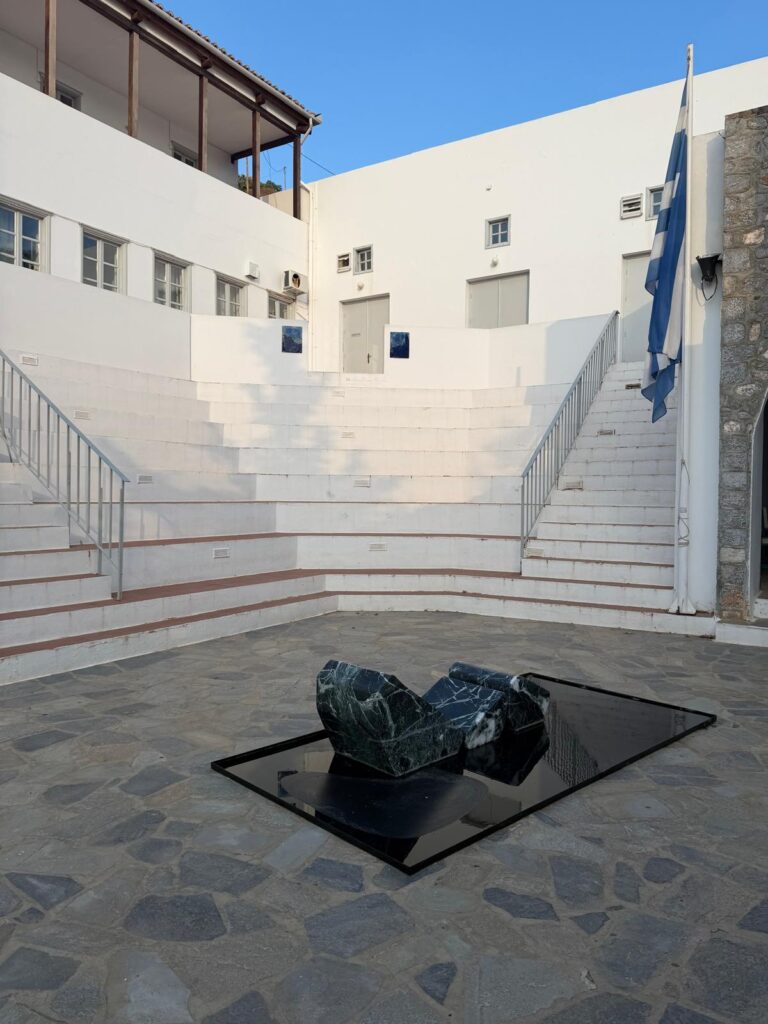
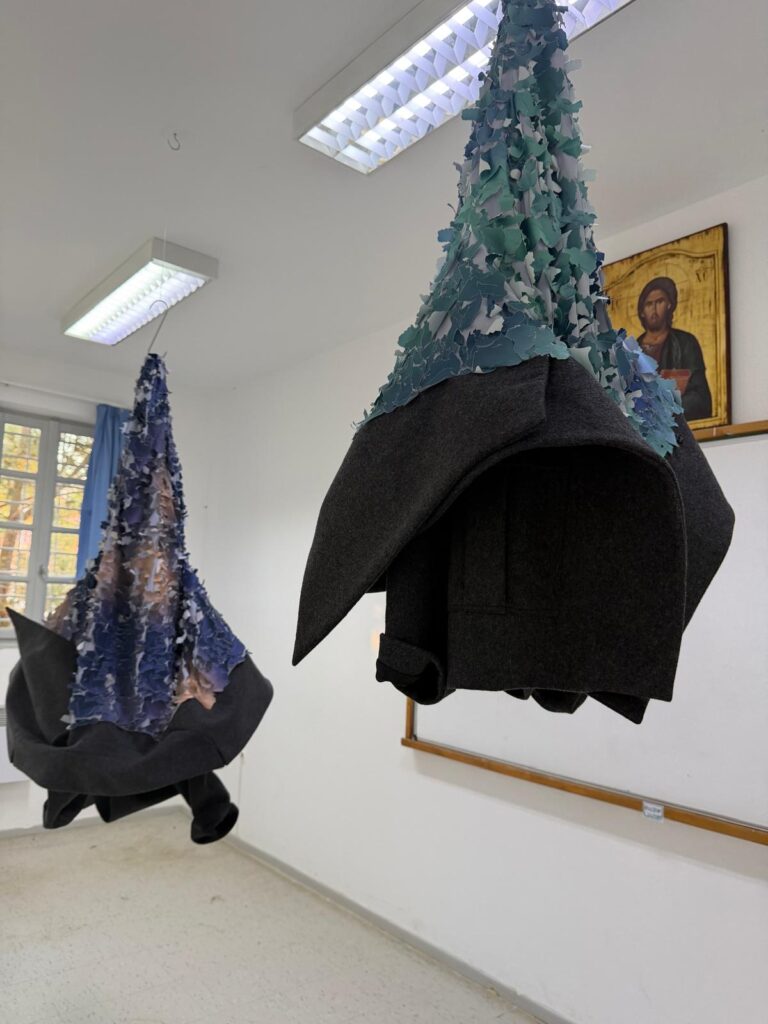
Why would someone go to such extraordinary lengths to transport works by artists ranging from Hüseyin Çağlayan to Tracey Emin to a small school on a Greek island, despite conditions that made it “impossible for the works to reach Hydra undamaged,” as determined by humidity, temperature, and insurance companies? And despite the fact that the entire endeavor relied on the trust of a single individual?
Or let me put it this way: Why would Dimitrios Antonitsis dedicate himself to building a high-risk ecosystem for 30 years, rather than focusing his global reach and energy on economic success? Consider that the fate of a work by Hüseyin Çağlayan, one of the world’s most valuable fashion designers, relies not on museum-level security measures, but on a key in the pocket of a young person on a small Greek island.
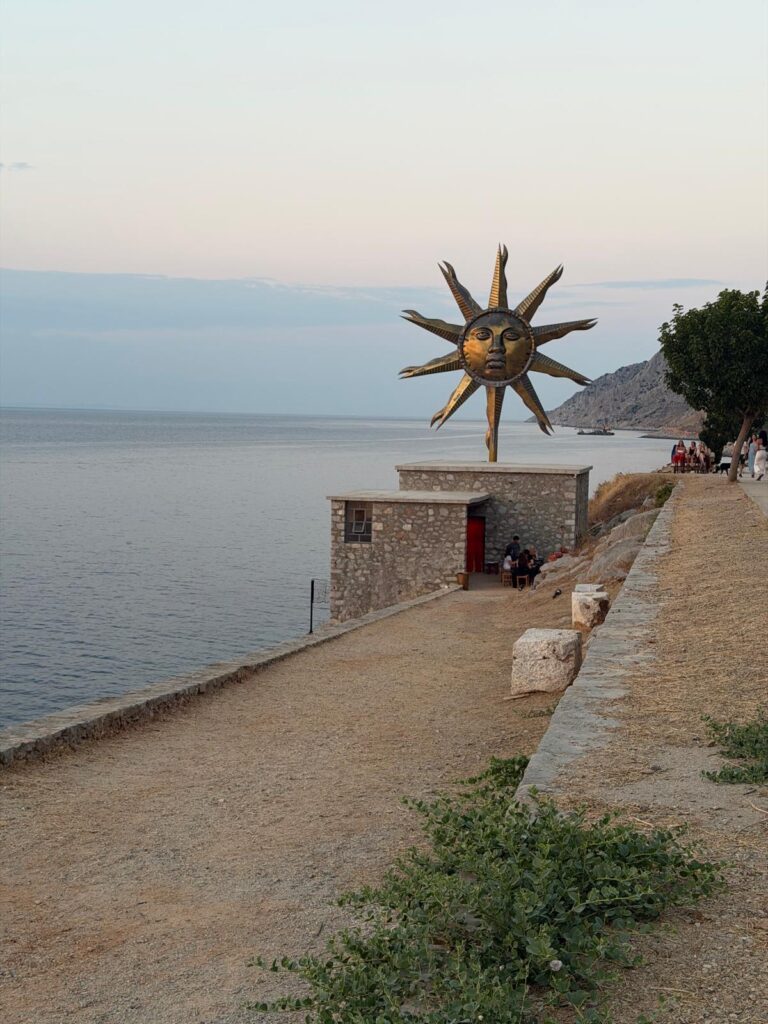
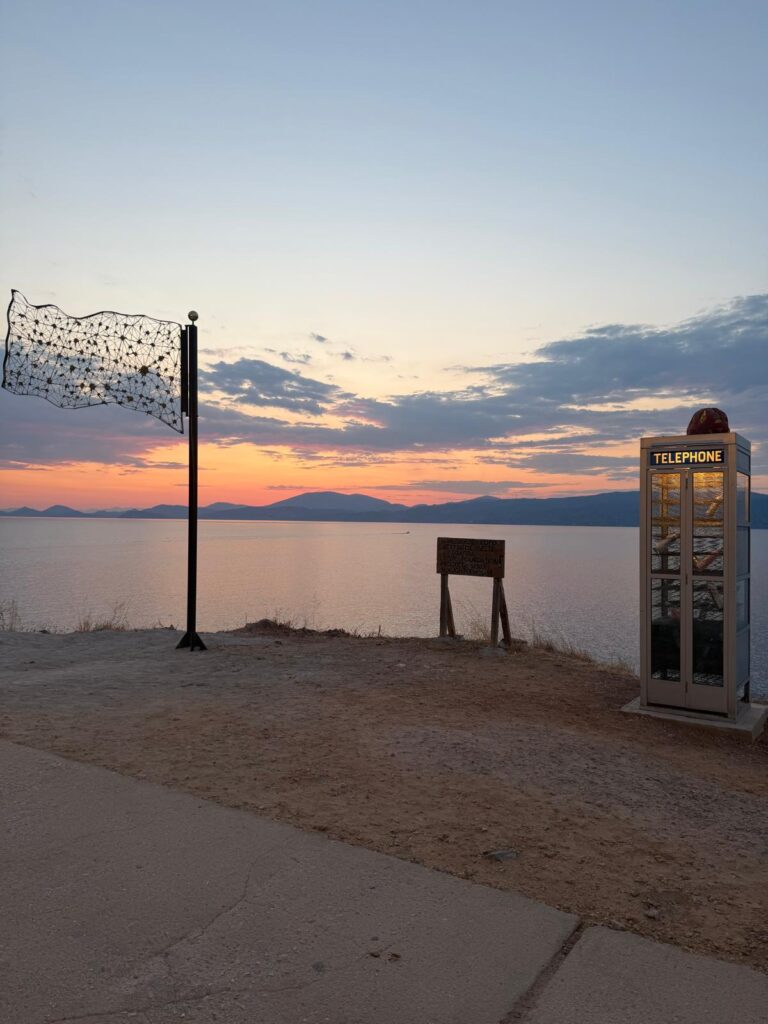
I suppose many of you have heard of the island of Hydra either from Jeff Koons’s work at the DESTE Foundation or Leonard Cohen’s visits. There were numerous reasons for my visit to this small island, where animals roam peacefully through the streets: the Hydra Art Walks, the DESTE Foundation, galleries hidden inside hotels, my fascination with projects built patiently with care, love, and a long-term vision.
For some time now, I’ve been thinking about alternatives to the “Bilbao effect.” Is the Guggenheim model the only successful model for cultural development? Instead of iconic buildings, star architects and large-scale public investment could there be another path? One built by creating trust in overlooked places, weaving together local and global communities and embracing slower forms of cultural production without disrupting the identity of the place itself.
These thoughts were on my mind as I visited the island. What I did not expect was that Dimitrios Antonitsis, a curator, artist, and critic, would surprise me with his initiative of Hydra Art School Projects. Thirty years ago, Antonitsis committed himself to a vision that he has never abandoned. Through Hydra Art School Projects he consciously gathered the conditions for artists around the world to continually return to this tiny island. Over time, what emerged was this network of trust, spreading by word of mouth, gradually inviting the global into the local, without disrupting the rhythm of the landscape and with deep respect for it.
This situation not only offered answers to the questions in my mind but also demonstrated how an institution can be part of change, showing that the foundation of the impact it creates stems not from globalization but from deepening its local context.
Thus, new questions arose one after another in my mind: What conditions would enable a place to become an indispensable part of an international network of creative production? Resources? Trust? Continuity? Curatorial steadfastness? Respect for the local rhythm? Or the ability to remain faithful to the same idea for 30 years?
Perhaps Dimitrios’s real job wasn’t organizing exhibitions. It was building a foundation of trust over thirty years where people could entrust their work, time, reputation and part of themselves.
That is why I feel that my experience with Hydra Art School Projects, as well as Dimitrios Antonitsis’s perspective, have brought me closer to answers to these questions that have been nagging at me.
As I left Hydra, I found myself thinking less about the artworks than the conditions that made them possible. Because that is precisely what we have been exploring at Gate 27 since its inception. Rather than focusing on outcomes, we have been trying to design conditions in which different forms of knowledge, creative practices and ways of seeing the world can genuinely meet. We believe that creating space for intercultural dialogue requires more than simply bringing people together; it requires environments where trust, curiosity, and meaningful exchange can emerge naturally. These patterns and the conditions that make them possible are worth studying, sharing and continually refining.
This is why we are drawn to initiatives that invest in process rather than spectacle, that challenge conventional models of success, and that quietly cultivate lasting impact.
I hope I’ve been able to convey to you at least some of the feelings Hydra evoked in me.